Effect of Spirulina Platensis on Level Analysis, Histopathology, Insulin and Glut-4 Expression in Wistar Rats Induced by Streptozotosin
DOI:
https://doi.org/10.35814/jifi.v16i2.541Keywords:
Anti diabetic, histopathology, Spirulina plantesis, streptozotocinAbstract
Based on Basic Health Research, in Yogyakarta the incidence of diabetes mellitus based on doctor's diagnosis is 2.6% and symptoms will increase with age, but will decrease from age> 65 years. In the treatment of diabetes mellitus there are several treatments with synthetic drugs and natural ingredients for natural ingredients such as Spirulina platensis. Spirulina platensis is one of the microalgae that contains the natural spectrum of carotene and xantophyll pigment mixtures, and with fikocyanin has antioxidant activity, and Spirulina platensis can show a decrease in blood sugar.
The type of research conducted is an experimental study. Spirulina platensis is made with several doses of 36 mg, 72 mg, and 144 mg. Rats were divided into 6 groups, 5 groups of streptozotosin induced at a dose of 45 mg / kgBW until the mice had DM were characterized by high KGD yield, then given spirulina suspension, measured in sugar levels on days 0-28. After that the mice in the blood and then analyzed the effect of Spirulina platensis on creatinine and urea in blood. The results were analyzed using SPSS ANOVA and Post Hoc Test methods with 95% confidence level.
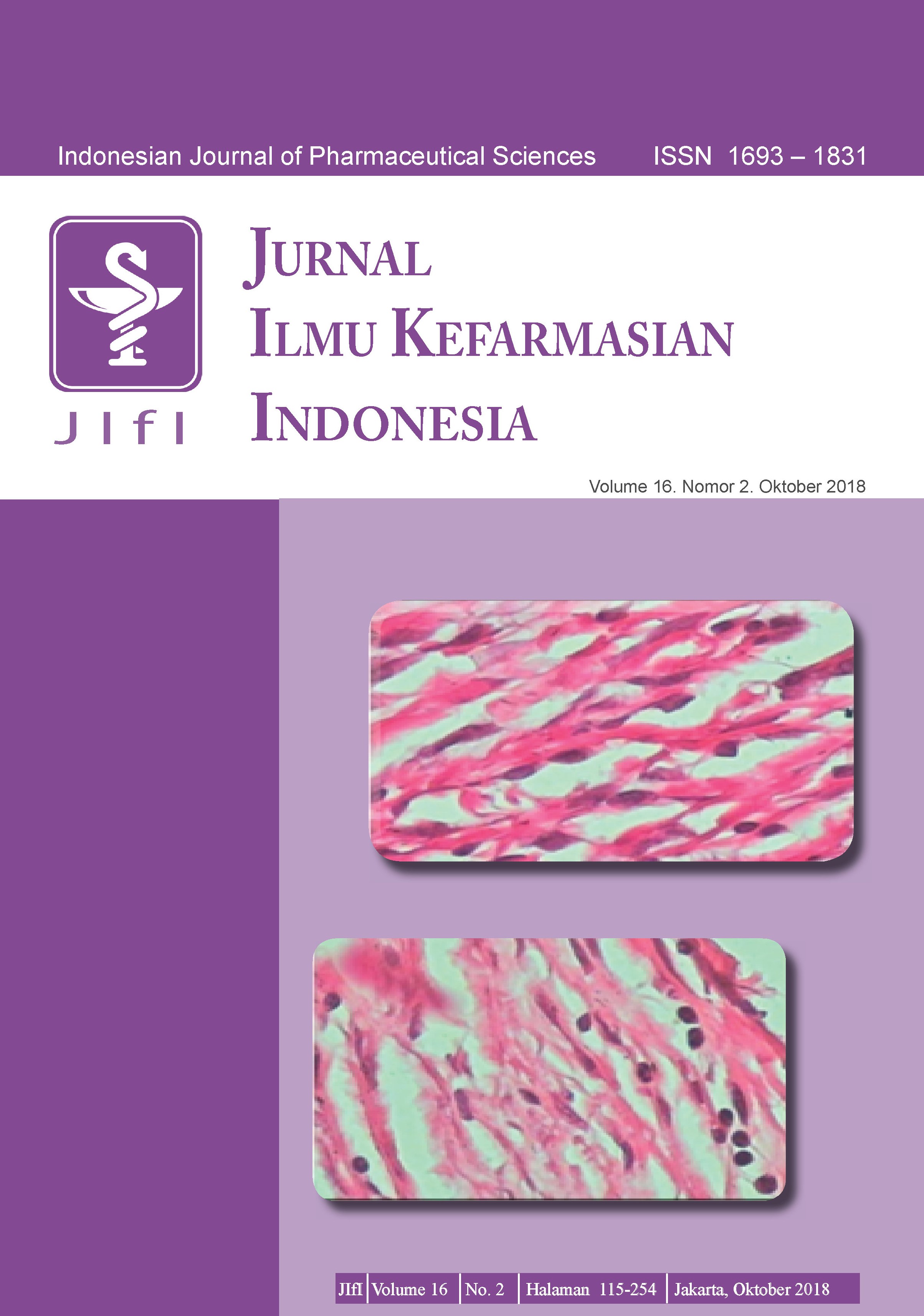
The results of the analysis of levels in various groups showed that in the induction of streptozotocin treated with spirulina plantesis various doses there was improvement in each analysis of the levels obtained, and also at the dose STZ+SP 36 in each analysis can improve the level of analysis. While on histopathology result and insulin expression in pancreas and histology and expression of glucose transporter 4 and histopathology on kidney and liver showed good change at various treatment dose group especially in STZ+SP 36 group. So at STZ+SP 36 dose showing the change both in this study.
References
Downloads
Published
Issue
Section
License
Licencing
All articles in Jurnal Ilmu Kefarmasian Indonesia are an open-access article, distributed under the terms of the Creative Commons Attribution-NonCommercial-ShareAlike 4.0 International License which permits unrestricted non-commercial used, distribution and reproduction in any medium.
This licence applies to Author(s) and Public Reader means that the users mays :
- SHARE:
copy and redistribute the article in any medium or format - ADAPT:
remix, transform, and build upon the article (eg.: to produce a new research work and, possibly, a new publication) - ALIKE:
If you remix, transform, or build upon the article, you must distribute your contributions under the same license as the original. - NO ADDITIONAL RESTRICTIONS:
You may not apply legal terms or technological measures that legally restrict others from doing anything the license permits.
It does however mean that when you use it you must:
- ATTRIBUTION: You must give appropriate credit to both the Author(s) and the journal, provide a link to the license, and indicate if changes were made. You may do so in any reasonable manner, but not in any way that suggests the licensor endorses you or your use.
You may not:
- NONCOMMERCIAL: You may not use the article for commercial purposes.

This work is licensed under a Creative Commons Attribution-NonCommercial-ShareAlike 4.0 International License.